What Is Sealcoating and How Often Should You Do It in Georgia?
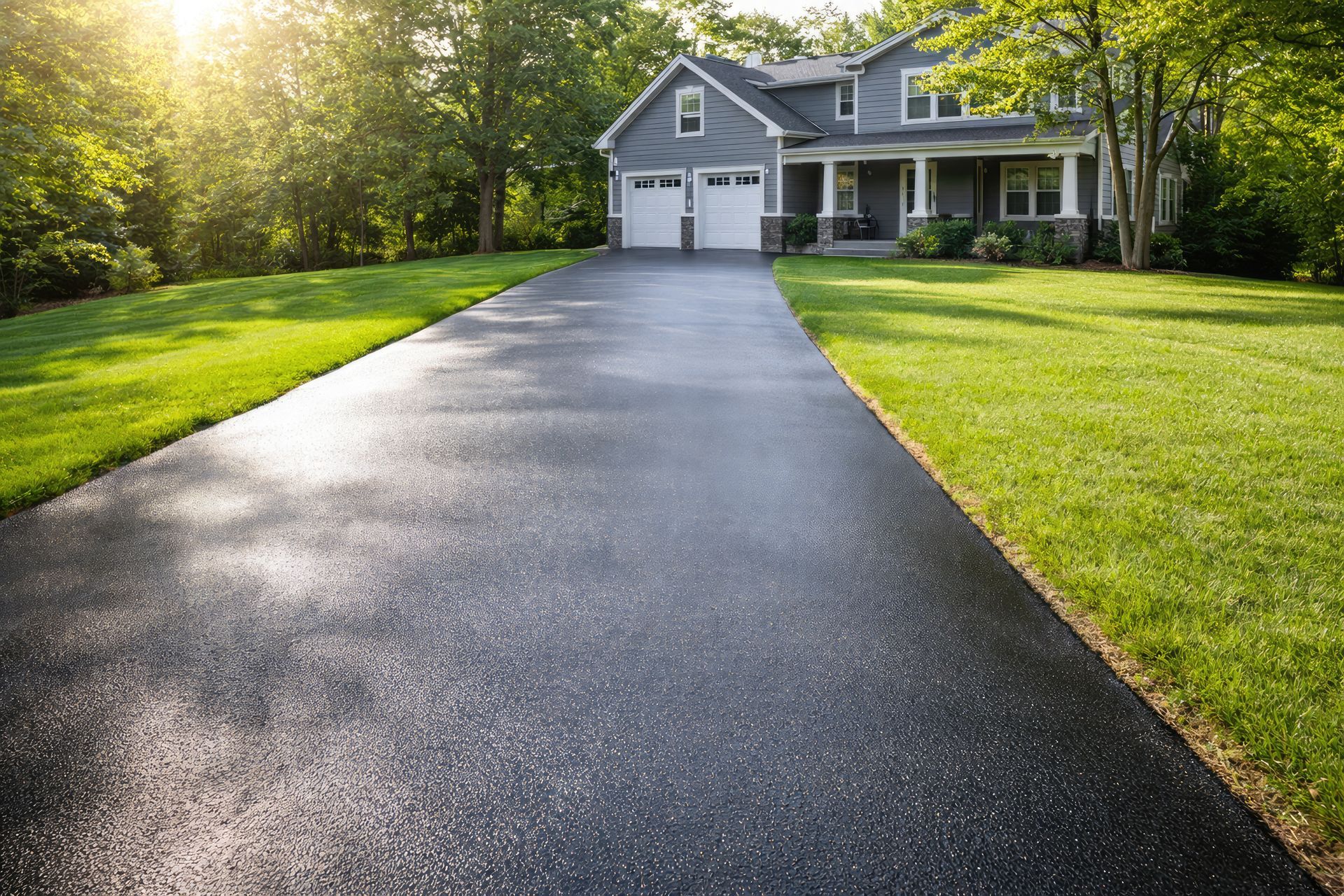
Sealcoating is a protective liquid coating applied over asphalt to block UV rays, moisture, fuel spills, and oxidation — and in South Georgia's heat and humidity, it matters more than most property owners realize. For commercial lots in Tifton, the standard recommendation is every 2 to 3 years, though traffic volume and sun exposure can push that closer to every 18 months.
What Does Sealcoating Actually Do?
Asphalt is petroleum-based and naturally porous. Left unprotected, UV radiation breaks down the binder that holds aggregate together, rainfall infiltrates the surface and erodes the base, and fuel or oil spills accelerate that breakdown further. Sealcoating adds a thin, uniform barrier that slows all three processes at once. The result: the asphalt stays flexible longer, minor surface cracks are less likely to form, and the pavement holds its dark finish — which matters for curb appeal at any commercial property. It does not repair existing cracks or structural damage; those need to be addressed before sealer goes down.
Why South Georgia's Climate Makes Sealcoating Non-Negotiable
Tifton averages over 200 sunny days a year and receives roughly 50 inches of rainfall annually. That combination — intense UV exposure paired with heavy, frequent rain — accelerates asphalt oxidation faster than in milder climates. Heat softens the surface under heavy trucks; afternoon storms force water into any opening the sun has already weakened. Commercial parking lots bearing delivery vehicles and customer traffic year-round face this stress every single day. Skipping a sealcoating cycle in this environment does not just delay maintenance — it compounds damage that becomes significantly more expensive to fix.
How Often Should Commercial Properties Sealcoat in Tifton?
Most commercial asphalt in Tifton benefits from sealcoating every 2 to 3 years. High-traffic lots — shopping centers, warehouses, medical offices — may need service every 18 to 24 months. Lighter-use surfaces on the same property can often go the full 3-year cycle. New asphalt should cure for at least 6 to 12 months before the first application; sealing too early traps volatiles and can soften the surface. The honest answer is that no schedule fits every lot — traffic count, drainage, tree coverage, and pavement age all factor in. A quick on-site assessment gives a far more accurate answer than any rule of thumb.
What Does the Sealcoating Process Look Like?
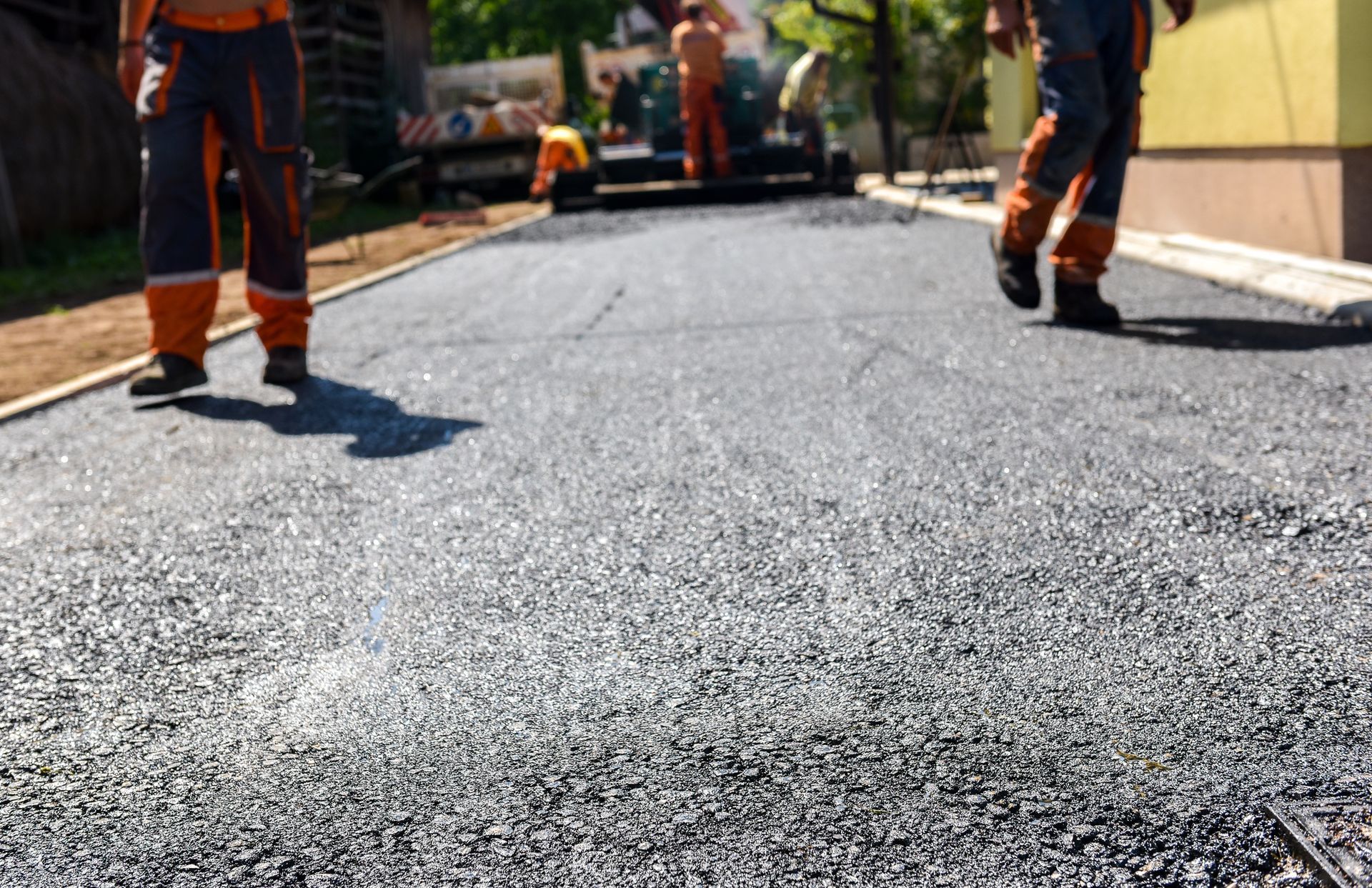
Georgia Paving Care has handled commercial sealcoating in South Georgia since 1965, and the process follows the same disciplined sequence every time.
Step 1 — Surface Preparation
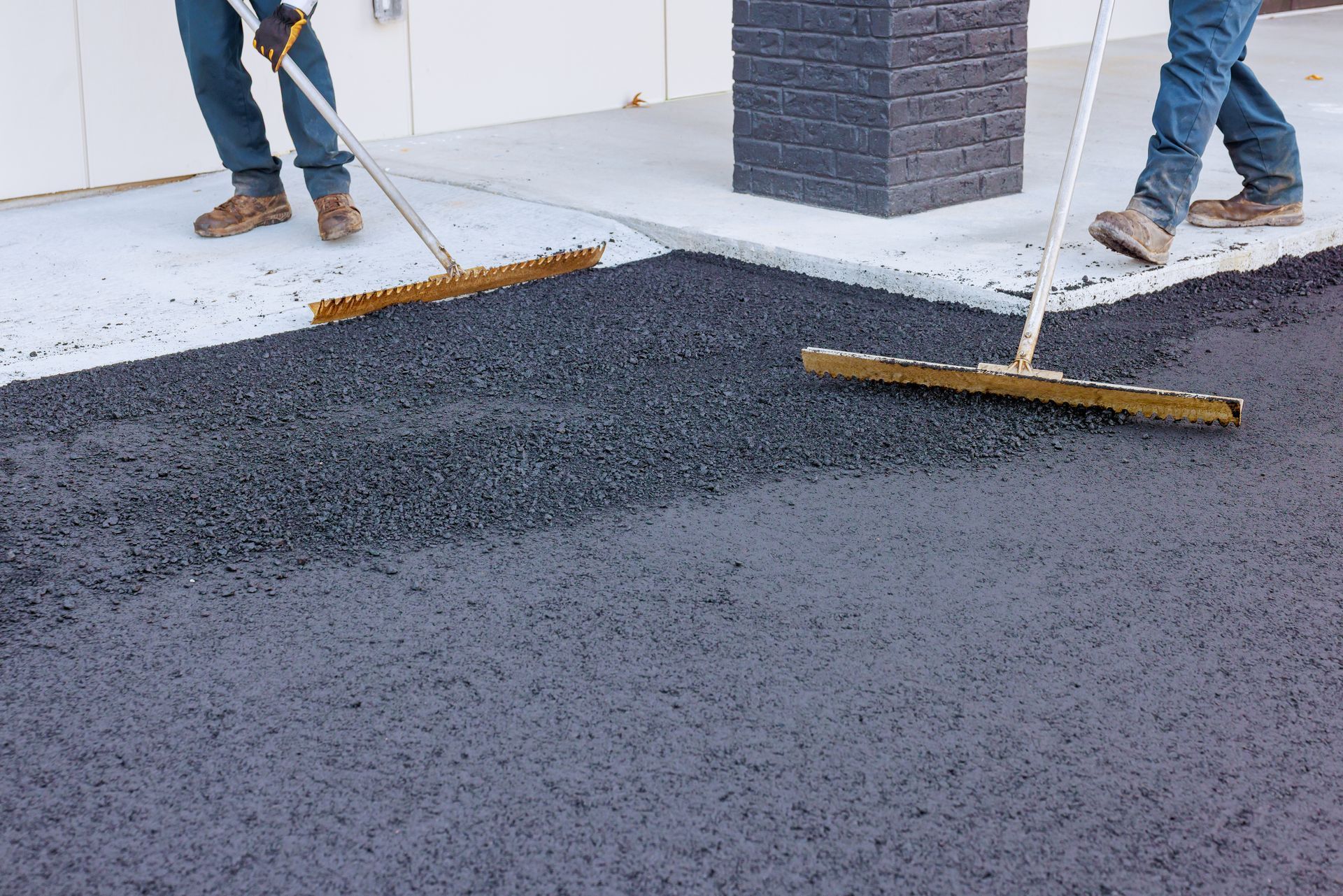
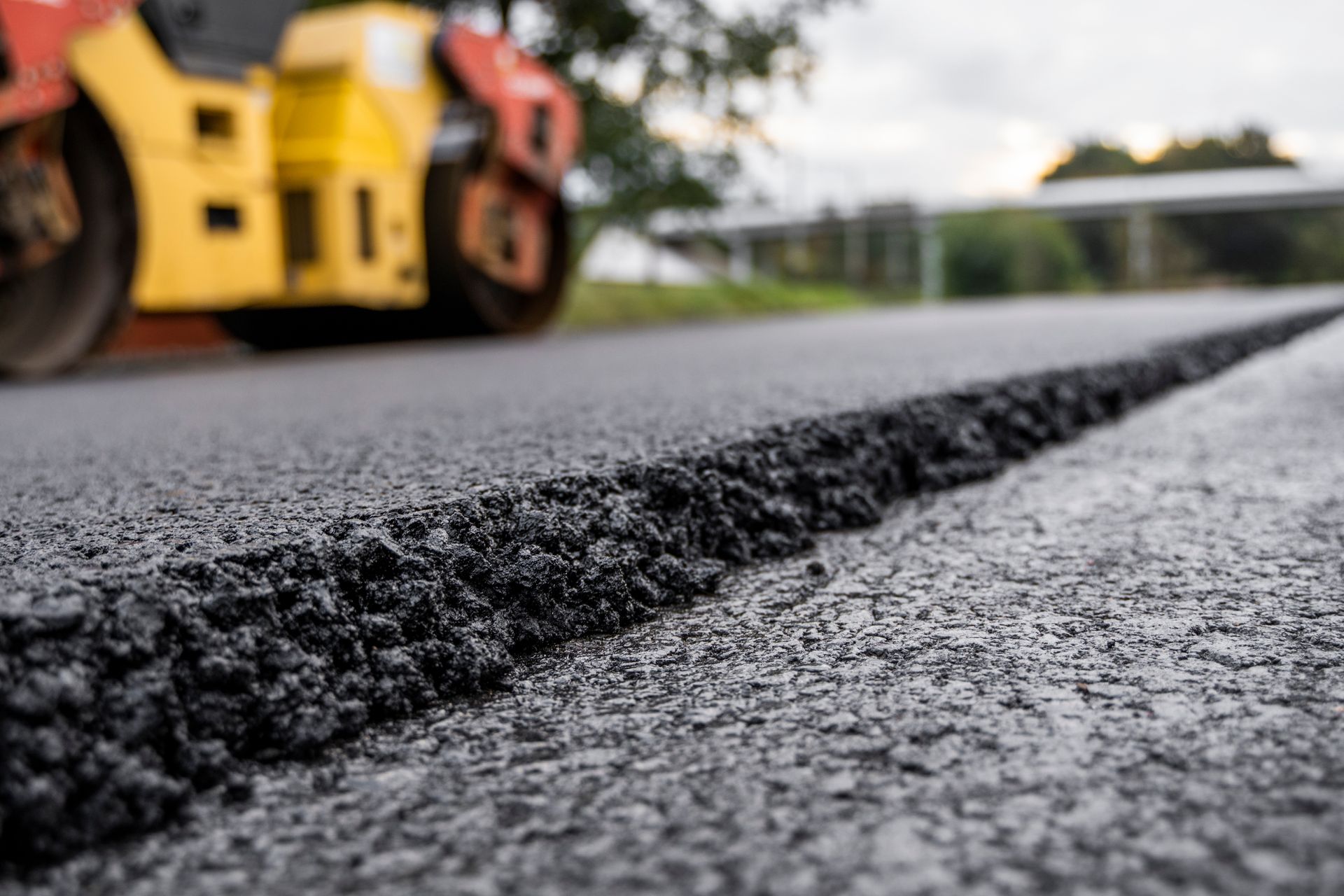
The crew cleans the entire paved surface, removing dirt, debris, oil deposits, and vegetation from cracks. Any existing cracks wider than a hairline are filled and allowed to cure before sealer is applied. This step is where most shortcuts get taken — and where most sealcoating failures start.
Step 2 — Sealer Application
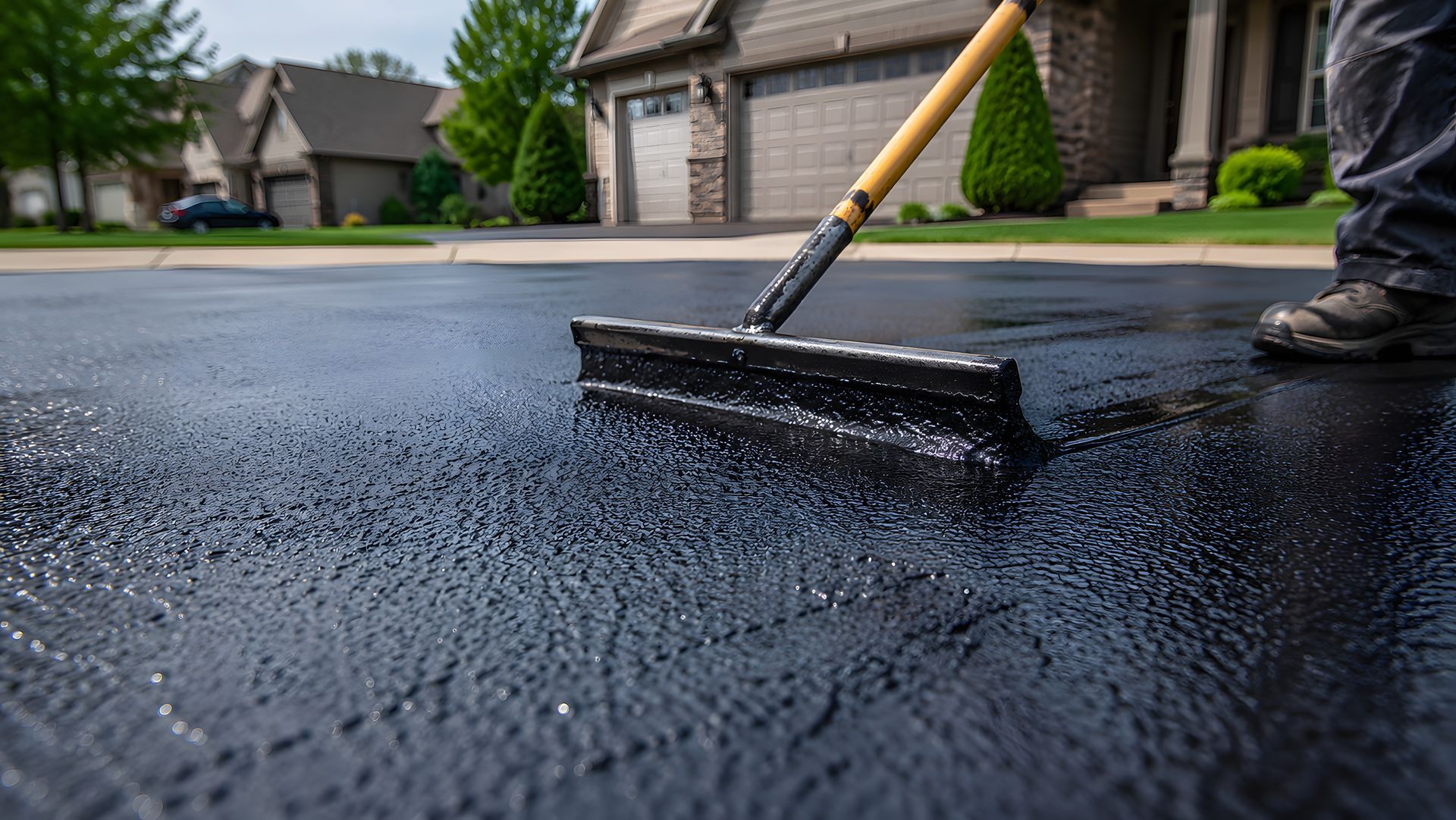
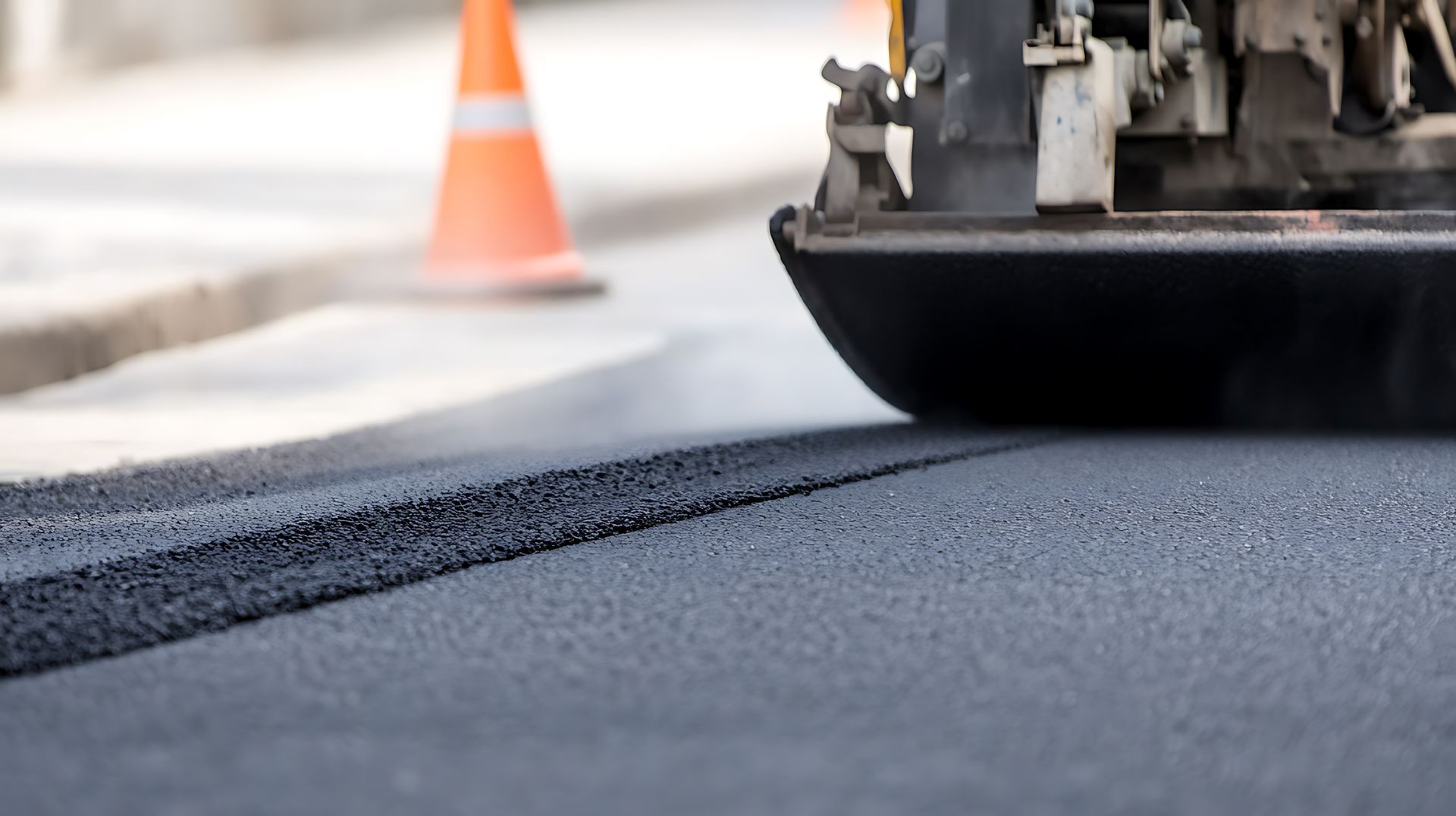
Sealer is applied in two thin, even coats using commercial-grade equipment. The first coat must dry fully — typically around 6 hours — before the second goes down. Two coats produce a more consistent barrier than one heavy application and reduce the risk of peeling or uneven coverage.
Step 3 — Curing and Reopening
The sealed surface needs 24 to 48 hours to cure before vehicle traffic resumes. In Tifton's summer heat, daytime curing moves faster, but overnight humidity can extend the window. Georgia Paving Care works with commercial property managers to phase the work so parking areas stay partially accessible throughout the project where the lot layout allows.
Signs Your Tifton Parking Lot Is Overdue for Sealcoating
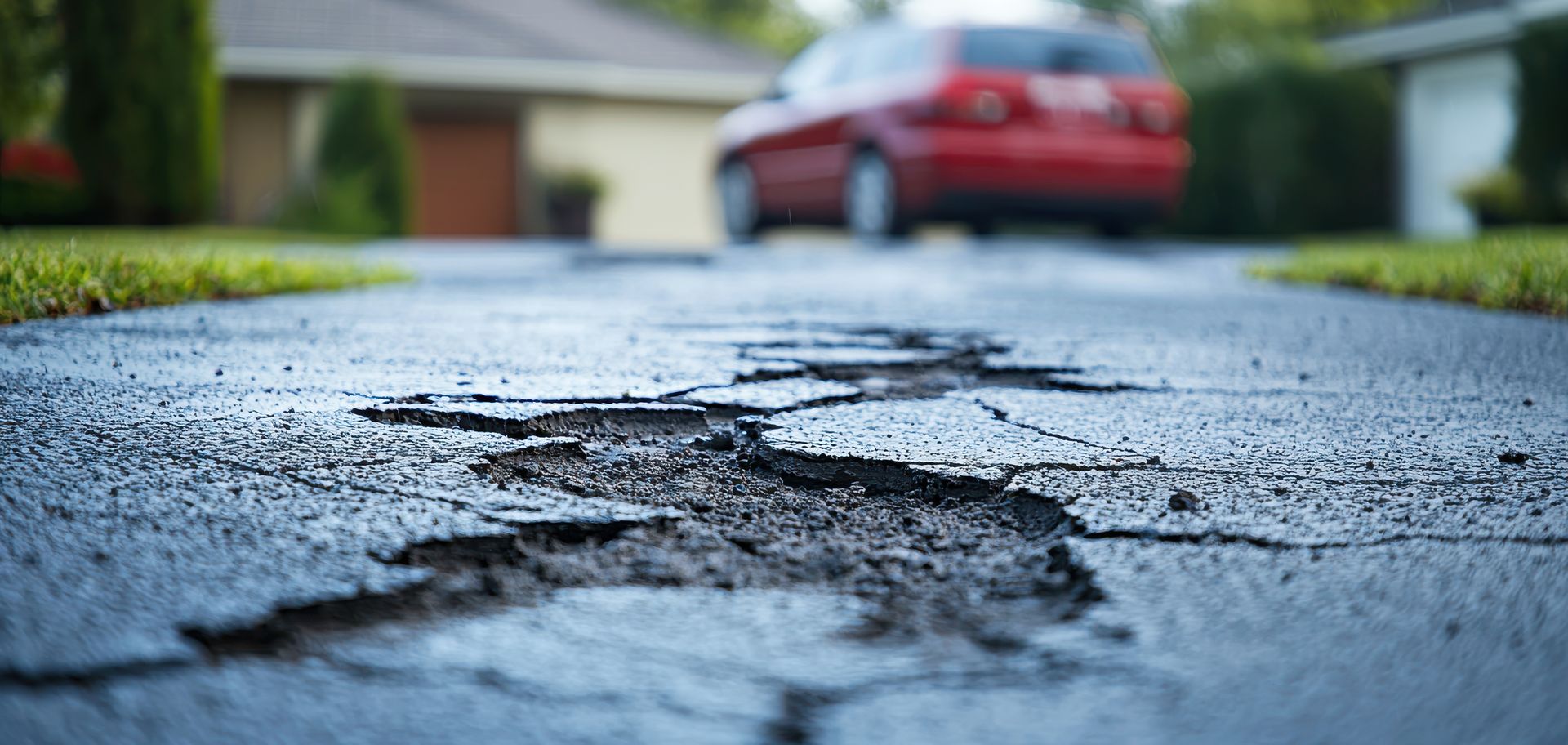
You do not need to wait for potholes to act. Fading to a gray or brown color is the clearest early signal — fresh asphalt is near-black, and oxidation turns it lighter as the binder breaks down. Small surface cracks appearing in a pattern (sometimes called alligatoring in its early stages) indicate the pavement has lost flexibility. Fuel stains that have softened the surface, water pooling in areas that previously drained, and line striping that has faded to near-invisible are all signs that the protective layer is gone. Catching it here costs a fraction of what full-depth repairs or resurfacing will run.
Why Tifton Businesses Choose Georgia Paving Care
Georgia Paving Care — the commercial paving arm of Bid Rite Paving — has served Tifton and the greater South Georgia region since 1965. The company is licensed and insured, family-owned, and has completed commercial sealcoating projects for shopping centers, office buildings, schools, and warehouses across the area. Every job starts with a free on-site estimate. The crew shows up on the scheduled date, uses commercial-grade equipment, and completes the work without cutting preparation steps. That track record across six decades in one region is the kind of consistency that matters when your business operations depend on the property being back in service on time.
Frequently Asked Questions
How long does sealcoating last on a commercial parking lot in Georgia?
A properly applied commercial sealcoat in Georgia's climate typically lasts 2 to 4 years. High-traffic lots with heavy sun exposure in South Georgia — like those in Tifton — may see the protective layer wear down closer to the 2-year mark.
Can sealcoating be done in summer heat?
Yes — summer is actually ideal for sealcoating in South Georgia. Temperatures above 50°F are required for proper curing, and Tifton's warm season gives a long window. The crew schedules early-morning starts to avoid peak afternoon heat softening the fresh application.
Does sealcoating fix cracks in my parking lot?
No. Sealcoating is a protective coating, not a repair product. Existing cracks must be filled and cured before sealer is applied. Sealing over unfilled cracks traps moisture underneath and accelerates further damage.
How soon can traffic return after sealcoating?
The sealed surface needs 24 to 48 hours before vehicle traffic resumes. Humidity and overnight temperatures affect curing time. Georgia Paving Care provides a specific timeline at project completion based on the conditions at your Tifton property.
Is sealcoating worth it for commercial asphalt?
Yes. Sealcoating costs a fraction of asphalt resurfacing or replacement. On a consistent 2-to-3-year schedule, it significantly extends pavement life and helps commercial properties in Tifton avoid unplanned repair costs from oxidation and water damage.
Recent Posts